

Diversity is a richness, never a reason for exclusion – Pope Francis, 2021
Many white residents of Livingston County seem to feel that racism ended with the Civil Rights Movement. This might almost be true if your definition of racism focused on overt racism, like the “n-word” or burning crosses, while ignoring systemic racism and personal biases. Some might say that the “extreme whiteness” of Livingston County amounts to de facto segregation, another form of racism.
The five surrounding counties are far more diverse than Livingston County, with 20 times as many Blacks per capita (14% vs. Livingston’s 0.7%), twice as many Latino/a residents, and six times as many Asian residents.
Our history of overt racist incidents created a reputation of Livingston County as unwelcoming or unsafe for people of color, which discourages them from visiting, working or moving here (for more, see my book, “A Brief History of Race Relations in Livingston County, MI”). To some degree, that reputation causes our continuing lack of racial diversity. Striking up conversations about race and our reputation often leads to defensive responses, emphatic assurances that “I’m not a racist,” denials of any bad reputation, and a clear desire to end the conversation.
While many people in Livingston County welcome all people and celebrate diversity, the perceptions of people, especially people of color, from southeast Michigan, are that Livingston County is an unwelcoming community posing significant risk for discomfort and even danger. Stories from many people reflect that widespread reputation:
In 2009, a Black sales trainee quit after half a day of visiting businesses in Howell and being treated with disrespect.
In 2019, a Latina engineering manager moved to Howell only to learn that her father, fearing racist treatment, would not visit her. Her friends and family still worry about her safety.
In 2022, two applicants for pastor of Chilson Hills Church were invited for a visit but withdrew when they perceived that their Black and mixed-racial families would not be welcomed in our county.
In 2023, I met Andre Watson, a Black man who lived in Brighton, who expressed surprise that any white man in our community was deeply concerned about race relations. Now the president of the NAACP in Ann Arbor, he recently told me, “This is a very real fear among people of color that makes it difficult for them to consider and commit to living in Livingston County.”
In 2024, a prospective student teacher from MSU opted out of placement due to the area’s reputation.
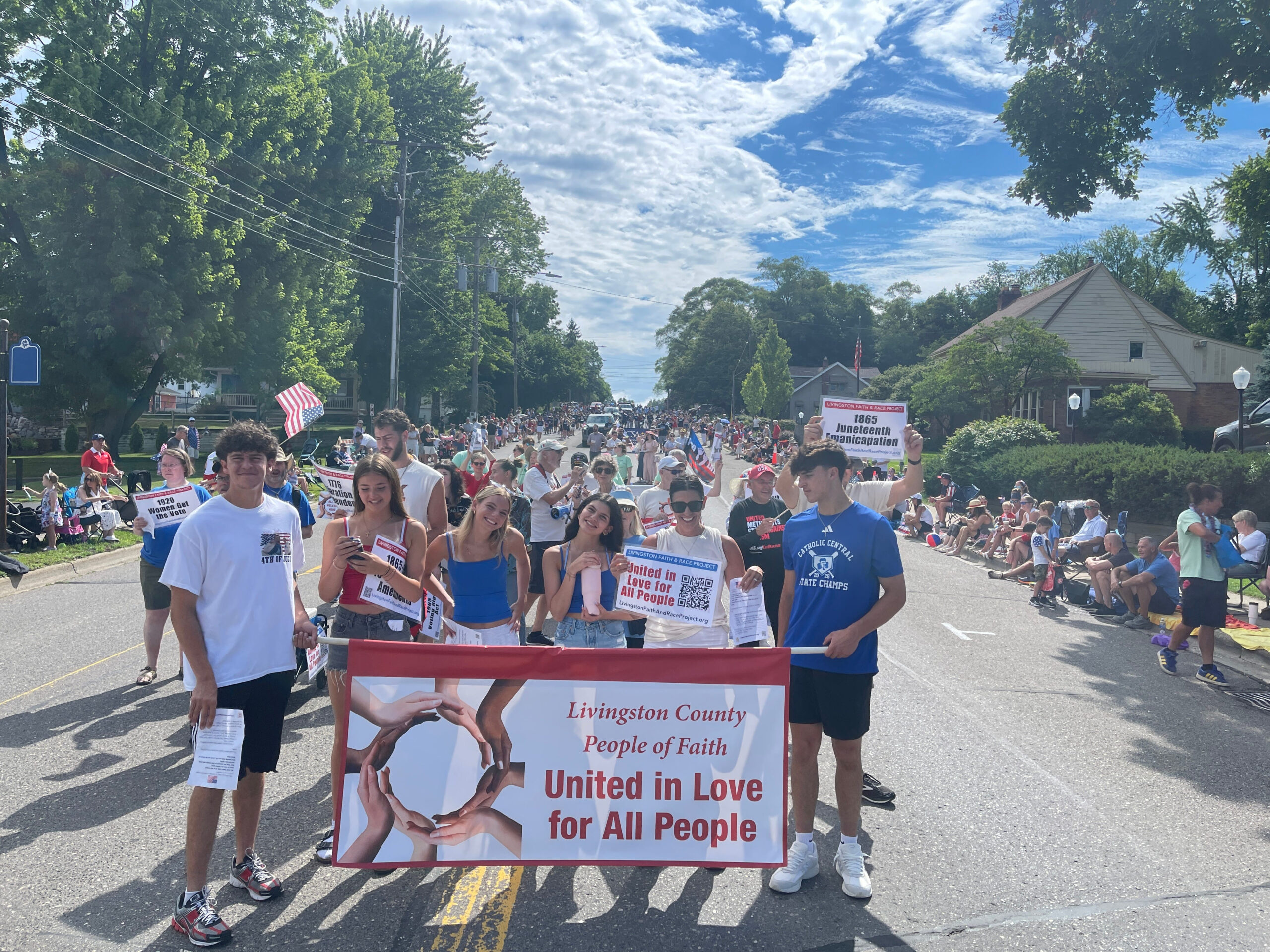
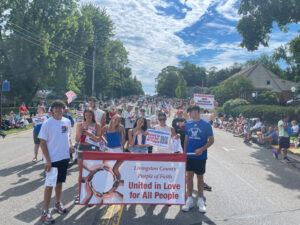
On July 4, 2026, a Black woman marched with people in the Faith and Race Project’s Unity Walk in the Brighton Parade and provided this feedback: “I believe I was the only Black woman walking with the group, and the parade itself felt overwhelmingly white. That visibility mattered. It was not negative, but it was noticeable, and it created a level of vulnerability that I am still processing. Before attending the event … I felt uncertain about coming because, historically, my family avoided this area due to very real experiences and concerns around racial hostility and disrespect.”
The price we all pay
“Racism has costs for white people, too.” — “The Sum of Us,” Heather McGhee
Growing up in an overwhelmingly white environment leaves children unprepared to navigate and work in an increasingly diverse society.
Potential customers and residents stay away.
Our communities are denied what McGhee calls the “solidarity dividend”: the many cultural, economic and moral benefits of diversity.
Individually, we also suffer a personal price for remaining idle in the face of these realities … a price born of inconsistencies between our faith and our personal acts and biases.
A path forward
Each of us can make a difference and change our narrative and reality. We need overt statements of welcoming and love to end a reputation caused by historic overt racism. Please join the Livingston Faith & Race Project as we build a more welcoming and inclusive community.
Display welcoming signs: Encourage local businesses and churches to post “All are Welcome Here” signs.
Understand our history: Promote community discussions about local and national racial history, through our book club and presentations.
Walk the walk: Join the July 4 “Unity Walk” in Brighton.
Wear the message: Proclaim your love for all people with our T-shirt.
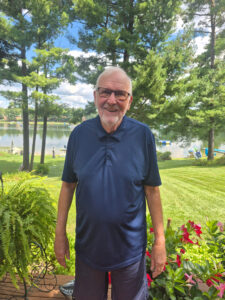
Dr. Leo E. Hanifin is chairperson of the Livingston Faith and Race Project. Learn more at https://livingstonfaithandraceproject.org/ or email livfaithandrace@gmail.com.
This article originally appeared on The Holland Sentinel: This Michigan county desperately needs diversity | Opinion
Reporting by Leo Hanifin, Guest Columnist / The Holland Sentinel
USA TODAY Network via Reuters Connect

This Michigan county desperately needs diversity | Opinion added by admin on
View all posts by admin →