

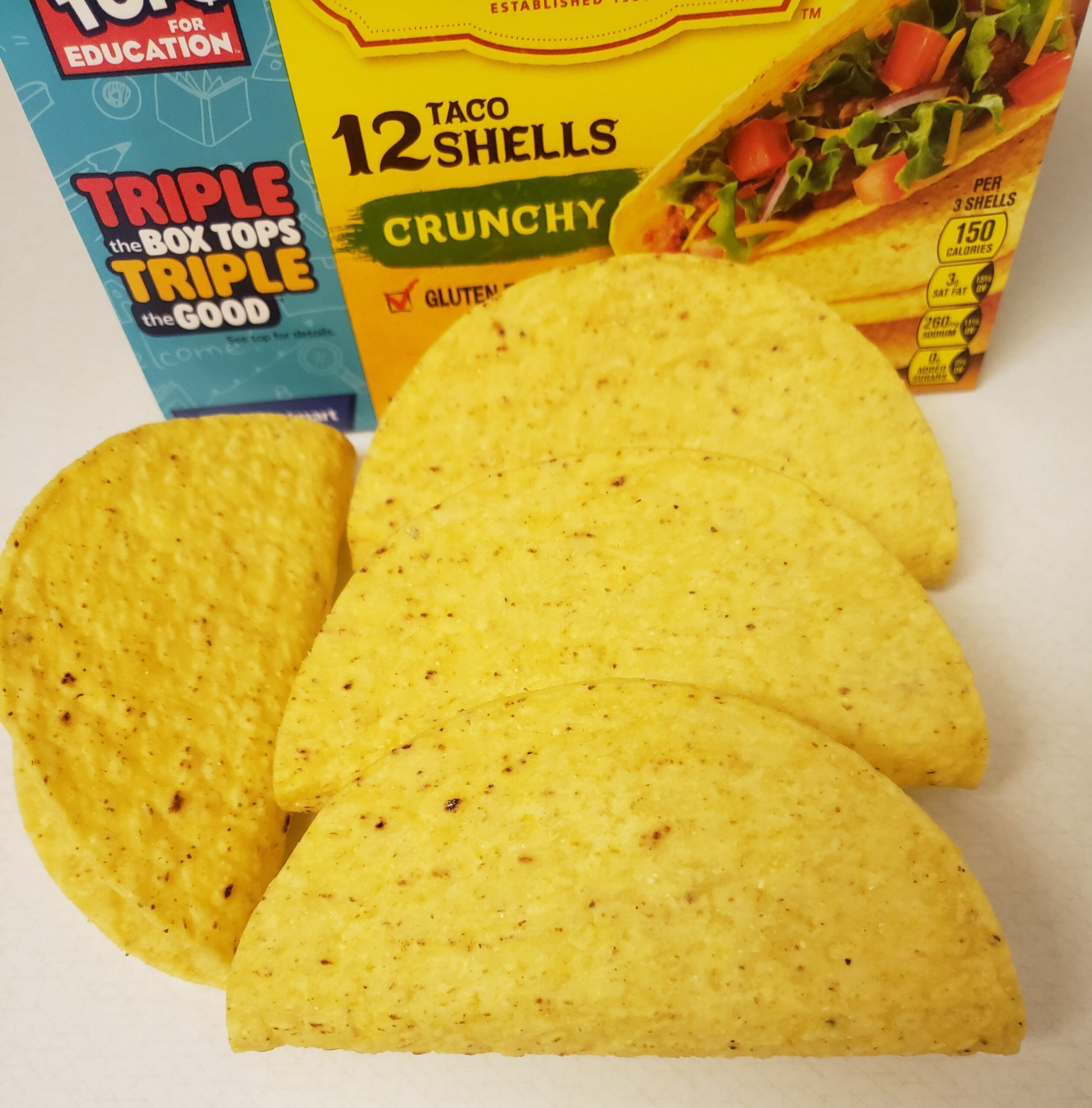
The last time I bought taco shells was a year ago. They were the same size as they had always been since I began purchasing them in the 1980s. I expected the contents in the box to be similar. Imagine my surprise when I pulled them out and discovered they were much smaller than usual. I laughed and asked myself if I had inadvertently bought shells for children. A quick check reassured me I had not. Nor was I imagining it. The shells had, indeed, shrunk.
I once wrote a column about the shrinkage issue, but I never dreamed it would carry on until it reached something as simple and cheap as a crunchy corn taco shell. We all know sugar no longer comes in five-pound bags. Ten years ago, it shrunk to four pounds. That box of chocolates you purchase once a year for the lady in your life is no longer a pound. You’re lucky if it’s 12 ounces. Walk into any grocery store and you’ll see miniature versions of old staples like ketchup, mayonnaise, relish and the like. The biggest difference won’t be the size but the price.
Am I the only shopper alarmed about shrinking products climbing up the price ladder? I live alone. With the exception of taco shells, I cook my meals from scratch. I don’t buy junk food which isn’t food at all just a mixture of chemicals our body doesn’t recognize. I need very little to sustain myself as I no longer do any servile labor. The tiny taco shells will suffice if I crush them instead of filling them as I normally would. I usually find a way around an obstacle in the food department and come up with a novel solution. A family with young children might not be so fortunate.
What I’d like to know is where’s the public outcry over outrageous prices for something as essential as food? Why are we not boycotting the non-essentials we all purchase? Boycotts work. If every shopper in the United States stopped buying coffee and sugar for one week — all brands, no exceptions — prices would come down. Maybe not as far as they used to be, but they’d fall as companies experienced a glut on their shelves and inventories. As a society, we’ve become soft. We’ve allowed corporations to place an economic noose around our neck, and we’ve knowingly walked to the food gallows. Some of us may have gone grudgingly, but we did go instead of starting a grassroots protest.
I don’t often shop for groceries. I have an adequate supply of beans and rice and a few canned goods, but when I do venture into a store that sells food, I’m appalled. Had I known prices would skyrocket, I’d have kept a ledger noting the increases as the containers got smaller and the prices got higher. Do corporations think customers are stupid? No, they don’t think we are. They know we are. They count on our stupidity, magnified in our obvious love of potato chips, candy bars and ice cream, and know that whatever the cost, we’ll pay it for anything we want.
When did we become a nation of sheep following cruel corporate shepherds? Sheep are docile creatures. They depend upon shepherds to keep them safe. Lambs don’t know their lives will be short. They run and play and visit each other until the day comes when their shepherd takes them to market. They’re afraid and bleat for their mothers and green pastures, but they have no choice. People do.
How long will it be before we lose our power to organize and rebel against rising prices and shrinking products? How long before we willingly mount the ramp leading to our economic demise? Corporations are run by greedy omnivorous operators. They’ll never burst from consuming our money. They’ll never be sated as we continue to buy whatever they offer — even miniature taco shells — at whatever price they demand.
To contact Sharon Kennedy, send her an email at sharonkennedy1947@gmail.com. Kennedy’s book, “The SideRoad Kids as Adults,” is available from her or Amazon.
This article originally appeared on The Petoskey News-Review: Michigan shoppers feel the sting of shrinkflation | Opinion
Reporting by Sharon Kennedy, Community Columnist / The Petoskey News-Review
USA TODAY Network via Reuters Connect

Michigan shoppers feel the sting of shrinkflation | Opinion added by admin on
View all posts by admin →