

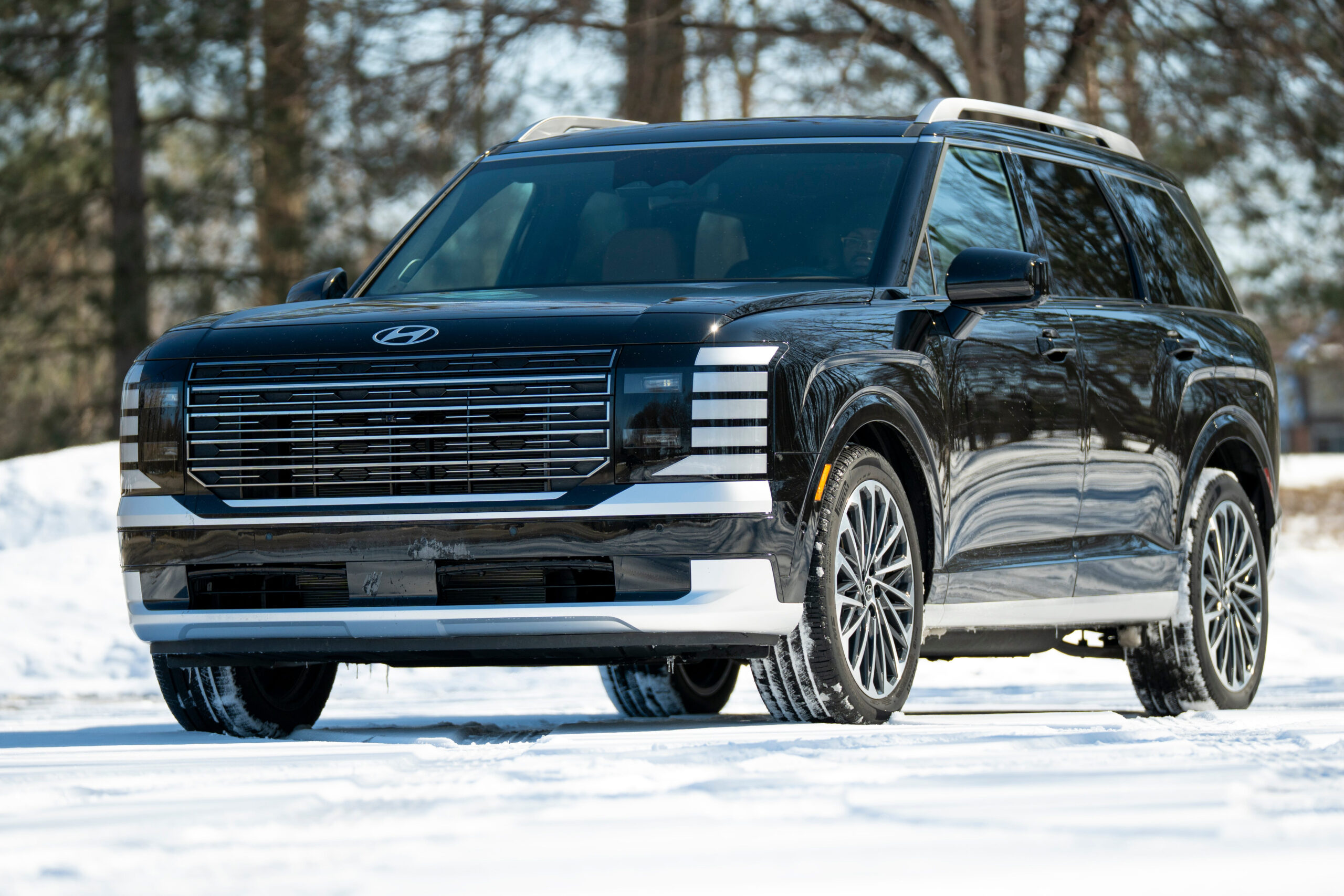
Many drivers beleive that all-wheel drive and four-wheel drive are the same thing, but they are very different from each other.
They share many of the same traits and can be found on similar types of vehicles, but they are both unique in their own ways. Four-wheel drive, or 4×4, can be found on rugged SUVs and pickup trucks, while all-wheel drive can be found on most SUVs and many crossovers and sedans. So how are the two drivetrains different?
What is all-wheel drive?
All-wheel drive (AWD) vehicles use a center differential that supplies equal power to the front and rear wheels when needed. This allows all-wheel-drive cars to excel in everyday driving. They also perform well in rain, snow or slippery driving conditions. AWD comes standard in most SUVs, crossovers and many sedans.
What is four-wheel drive?
Four-wheel drive (4WD) is mostly found in trucks and rugged SUVs. This drivetrain works by sending power to all four wheels, but there are different modes the driver can select based on the situation in which they are driving.
Many 4×4 vehicles have the option to switch from 2WD to 4WD along with other driving modes depending on the vehicle. The standard mode will be 2H (2 high), which is best for driving on regular roads in clear weather. 4H (4 high) or 4A (4 automatic) is better suited for wet, icy or muddy roads while 4L (4 low) is the best option for extreme mud, snow and rock crawling.
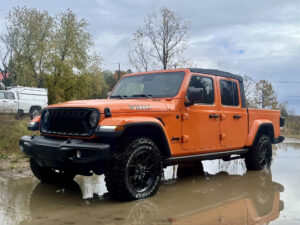
Most 4×4 trucks and SUVs come with large, off-road capable tires as opposed to the regular all-seasons that can be seen on all-wheel-drive cars. While these more rugged tires excel on dirt and mud roads, they are less comfortable on regular roads.
What are they best for?
All-wheel drive is best for day-to-day driving during regular conditions and needs no additional input from the driver to make this system work. AWD is also great for driving in slippery road conditions on paved roads. Another advantage AWD gives you over 4WD is that AWD feels much more comfortable on the road compared with 4WD. But AWD is less fuel efficient than front-wheel drive.
On the other hand, 4×4 is best for off-roading, as it can handle rugged unpaved roads and trails better and can be customized by the driver depending on how difficult the terrain is. While 2WD trucks tend to weigh less and have a higher payload capacity on average, 4WD can excel on unpaved roads and gets better traction while towing.
Keenan Thompson is a car culture reporter for the Detroit Free Press. Contact Keenan at kthompson@freepress.com. Follow him on Instagram at @keenanautos. To sign up for our autos newsletter. Become a subscriber.
This article originally appeared on Detroit Free Press: AWD vs 4WD: We explain what makes these drivetrains different
Reporting by Keenan Thompson, Detroit Free Press / Detroit Free Press
USA TODAY Network via Reuters Connect

AWD vs 4WD: We explain what makes these drivetrains different added by admin on
View all posts by admin →